Weeds are often considered a nuisance. However, from both the Permaculture and Biodynamic farming point of view, weeds are not a problem, they are nature way of correcting a problem with your soil.

For example, some plants are nitrogen accumulators, this is they can fix nitrogen in the soil, from the air. Curiously, these includes some of the most invasive weeds in the planet, plants like acacia (picture above), lupins (picture below), mustard and clovers. In Mediterranean countries, acacias often grow in disturbed soils after house or road construction, or forest fires. In Iceland, lupins are a widespread invasive plant because it can grow in the very poor sandy and cold soils that were deforested many centuries ago.

Therefore, look at these weeds, as nature way of correcting a nutrient problem. And also as a sign that your soil is not nutrient-rich as it should be, to grow your vegetables.
It is wise from the Permaculture perspective, to grow some of these plants, so that there can be a natural way of replenishment your soil with nutrients again, such as these nitrogen fixating species.

Another example, comes from the very poor acid soils of some pine forests, where almost only ferns seem to be able to grow. This indicates not only a very poor soil, but also ferns (brackens, Pteridium) have the unique ability to capture the missing potassium, phosphorus and other nutrients, from the deepest layers of the soil. So does nettles, and that's why you often can see it growing in the walls and rocks! Nettle roots penetrate very deeply and are able to capture the nutrients from the broken rocks. They also make a very rich compost or fertilizer, and they also make a very mineral-rich soup!

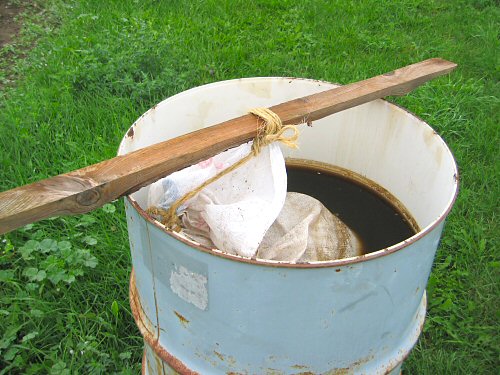
For this reason, today I was thinking about the sorrels / docks (Rumex) that I see growing close to our house. I read that they are dynamic accumulators of calcium, phosphorus and potassium, that seems to be missing in our garden (calcium lack can be signaled also by the growing dandelions in our garden!). So, I thought of collecting the sorrels and dandelions and making a compost tea out of them, to fertilize my tomatoes and broccoli, that are hungry for potassium, phosphorus and calcium. By the same token, I thought about using the lupins for a special nitrogen compost tea, for the more leafy vegetables.

To give you more technical (and useful) information, dandelions are accumulators of silica, calcium, phosphorus, potassium, manganese, coper and iron. Comfrey accumulates silica, nitrogen, magnesium, calcium, iron and potassium. Chickweed (a sign of fertile soils) accumulates potassium, phosphorus and manganese. Clovers accumulate nitrogen and phosphorus. Buckwheat accumulates phosphorus, chicory accumulates calcium and potassium, borage (picture above) accumulates silica and potassium, burdock accumulates iron, and chives accumulates sodium and calcium. Carrot leaves accumulate potassium and magnesium.